
H1: Diving Into Ocean Depth Pokie Machines Without Getting Wet
There’s something quietly hypnotic about watching a reel spin long after the lights have gone down at the local club. You slide a few coins in, lean back in a vinyl seat that’s seen better decades, and suddenly you’re tracking patterns like a seasoned deckhand reading the swell off the coast. The whole setup feels less like a desperate punt and more like a slow drift, which is exactly how the best ocean depth pokie machines pull you in. They don’t scream for attention; they just settle into the background hum of the room while the graphics and soundscapes do the heavy lifting. You end up chasing the next cascade of symbols almost on instinct, the way you’d follow a rip current without really thinking about the tide.
Most punters around the traps will tell you that picking a game these days is less about chasing a jackpot and more about finding something that doesn’t feel like a cheap carnival ride. The market’s gone properly sophisticated since the old mechanical days, with developers pouring serious coin into underwater themes that actually respect the imagination. You’ll spot everything from kelp forests swaying in digital currents to sunken galleons resting on sandy floors, all rendered with enough care that you forget you’re staring at a screen. It’s a far cry from the flashing lights and tinny chimes that used to dominate the high streets, and honestly, that shift has made the whole experience a lot more tolerable for anyone who’d rather not feel like they’re in a neon-lit circus.
When you’re weighing up where to drop your hard-earned cash, it pays to look past the glossy trailers and check what’s actually sitting on the floor. A decent venue will have a mix of legacy favourites and newer releases that’ve been properly tested by the crowds, rather than just shipping in whatever the latest marketing push is selling. You want games that hold their rhythm, pay out with a bit of predictability, and don’t leave you staring at a blank screen while the bar staff start giving you that patient look. It’s the same kind of discernment you’d apply to picking a reliable mate for a long weekend trip – flash looks nice, but you’re after someone who’ll actually show up when the weather turns.
If you’re scanning the room for something that’ll keep you settled for a proper session, the underwater-themed releases usually do the trick without demanding too much attention. They’ve got that steady, low-stakes cadence that lets you chat with the bloke next to you or glance at your phone between spins without losing the thread. You’re not trying to outsmart the machine; you’re just enjoying the ride while the graphics do their bit to keep things interesting. That’s the sweet spot for most locals, and it’s why these particular titles tend to outlast the flash-in-the-pan newcomers that burn out after a weekend.
The mechanics behind the deep blue reels
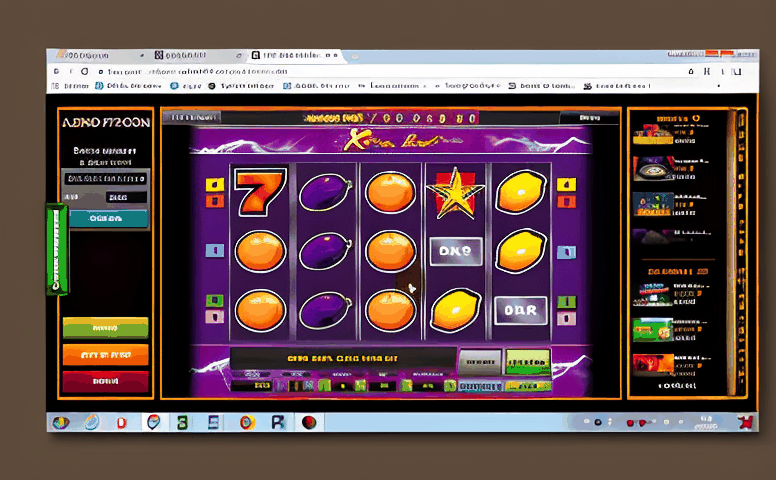
The way these games actually run under the hood is a lot less mystical than the marketing brochures would have you believe. You’ve got a standard random number generator ticking away behind the scenes, deciding where each symbol lands the moment you press the button, and that’s that. The underwater theme is mostly window dressing, though it’s window dressing that’s been carefully tuned to match the pacing of the spins and the frequency of the payouts. Developers spend a fair bit of time balancing the volatility so that the game doesn’t either dry up too quickly or hand out wins so often that the whole thing feels pointless. It’s a bit like tuning a boat engine – you want enough power to get through the chop, but not so much that you’re bouncing around like a tinny in a gale.
What’s interesting is how the visual and audio layers are layered on top of that core maths. A well-built ocean depth pokie machine will sync the sound effects and screen animations to the actual spin outcomes, so a winning combination doesn’t just flash a number but actually feels like something’s shifted in the water. You’ll hear the low rumble of a current picking up, see the light filter through simulated kelp, and get a little payoff animation that doesn’t overstay its welcome. It’s subtle, but it’s the kind of detail that separates a game you’ll play for ten minutes from one you’ll come back to next week. The maths stays the same, but the atmosphere does the heavy lifting when it comes to keeping you seated.
There’s also a practical side to all this that gets overlooked when people are busy chasing the theme. You want a game that doesn’t chew through your credit like a seagull on a chip wrapper, and that means paying attention to the bet ranges and the way the paylines are structured. Some of the newer releases let you dial things down to a quiet simmer, which is ideal if you’re there for a relaxed session and not trying to turn a twenty into a house deposit. Others run a bit hotter and expect you to keep the pace up if you want to see the bigger features trigger. Knowing which camp a game falls into before you sit down saves you from that awkward moment when you realise you’ve burned through your stack faster than expected.
Comparing the heavy hitters on the floor
When you’re walking through a properly stocked venue, it’s worth having a rough idea of which operators have actually put in the legwork to keep their offerings fresh. Joe Fortune has consistently held its ground as one of the leaders of the Australian market, mostly because it’s kept its library updated without flooding the floor with forgettable releases. You’ll find a mix of established favourites and newer underwater-themed titles sitting alongside each other, which gives you enough variety to swap games when the mood shifts. It’s not about chasing the absolute newest drop; it’s about having a rotation that actually holds your interest over a proper session.
The other side of that comparison is how well the venues themselves manage the flow of the room. A place that’s got its act together will rotate the machines based on what’s actually drawing crowds, rather than leaving dusty cabinets parked in the corner while the popular spots run hot. You’ll notice that the better operators keep the screens clean, the seats functional, and the payout systems running without that nagging hesitation that makes you wonder if the machine’s had its morning coffee. It’s a small thing, but it changes the whole vibe from “gambling den” to “proper local haunt.” If you’re planning a night out, checking which venues keep their floor tidy is half the battle.
You’ll also find that the newer underwater releases tend to sit alongside a few legacy titles that’ve earned their place through sheer longevity. That mix matters because it gives you an easy fallback if the fresh graphics aren’t clicking on the night. Some punters swear by the older builds because the pacing feels more familiar, while others prefer the updated soundscapes and smoother animations that come with the newer software. Either way, having both options on the same floor means you’re not stuck grinding through a game that’s lost its charm just because it’s the only one within reach.
Why underwater themes keep pulling punters back
There’s a reason the ocean motif keeps showing up in the newer releases, and it’s not just because developers ran out of desert and jungle concepts. Water has a natural rhythm to it that translates well to the pacing of a spin, and that rhythm tends to keep people settled without feeling rushed. You’re not watching explosions or chasing high-speed chases; you’re watching light shift through simulated waves, symbols drift past like driftwood, and the occasional payout ripple through the screen like a calm swell. It’s a slower burn, which suits a lot of locals who’d rather not feel like they’re in a race every time they drop a coin.
The theme also does a decent job of masking the repetitive nature of the gameplay, which is honestly the biggest hurdle for anyone trying to stretch a session out. When the screen is doing something mildly interesting in the background, you’re less likely to clock the fact that you’ve been pressing the same button for forty minutes. It’s not a trick, just a bit of thoughtful design that respects the fact that most people are there to unwind, not to study a spreadsheet. The best ocean depth pokie machines lean into that idea without overdoing it, keeping the visuals rich enough to hold attention but quiet enough to let you think.
You’ll also notice that the underwater builds tend to age better than the ones that rely on gimmicks. A flashy theme that’s all style and no substance usually shows its cracks within a few months, once the novelty wears off and you realise the core gameplay hasn’t changed much. The water-themed releases, on the other hand, have a bit of staying power because the atmosphere does the work instead of the spectacle. You can come back to them after a break and they still feel like a decent way to pass an hour, which is more than you can say for a lot of the louder releases that burn out fast.
The maths, the myths, and the reality on the floor
There’s a fair bit of folklore swirling around about how these machines decide when to pay out, and most of it is just that – folklore. You’ll hear blokes in the corner swearing that a machine’s “due” because it hasn’t paid in a while, or that pressing the button at a certain rhythm changes the outcome, but none of that holds water when you look at how the software actually runs. The random number generator doesn’t care about your timing, your superstitions, or how many coffees you’ve had that afternoon. It’s a clean, indifferent process, and the only thing you can really control is how much you’re willing to sit down for and what bet size you’re comfortable with.
That’s not to say the maths is completely invisible. You can pick up on volatility over a session, noticing which games tend to hold back and which ones let loose a bit more often. It’s a bit like reading the weather before a weekend trip – you don’t control the storm, but you can pack accordingly. Some players prefer the steadier builds that give small wins more regularly, while others are happy to sit through the dry patches in exchange for the chance of a bigger hit. Neither approach is wrong, but knowing which style you’re sitting in front of saves you from blaming the machine when the session doesn’t go your way.
There’s also a lesson in how other games handle edge and strategy that’s worth keeping in mind, even if you’re not crossing over to the card tables. Card counting shifts blackjack’s edge by a fraction of a percent per unit of count, which sounds tiny until you realise how much that adds up over a long session. Pokies don’t give you that kind of leverage, which is why the whole approach comes down to pacing, bankroll management, and picking games that match your temperament. You’re not trying to outthink the system; you’re just making sure you’re comfortable with the ride before you buckle in.
Back in 2013, a hacker manipulated video poker machines in Las Vegas to exploit a software bug, which sounds like the opening scene of a caper film but was really just a reminder that even tightly controlled systems have weak points. The incident didn’t change the way everyday punters play, but it did reinforce the idea that the software running these machines is built and audited with a level of scrutiny that most people never think about. You’re not walking into a backroom gamble; you’re sitting in front of a regulated system that’s been checked, rechecked, and locked down to keep things fair. That doesn’t guarantee a win, but it does mean the floor isn’t running on loose wiring and hopeful guesses. Thedesignfiles
If you’re keen to see how a well-regarded theme holds up over a longer session, you can always test the waters on a title like the immortal romance slot before you commit to a bigger stack. It’s a decent way to get a feel for the pacing without throwing too much coin at the screen on night one. Some players like to ease in that way, treating the first few spins as a warm-up rather than a full commitment, and there’s nothing wrong with that approach. You’re just reading the room before you decide how long you want to stay. Eurekastreet
Picking the right session without blowing the budget
The best way to keep a night from sliding sideways is to decide on a few ground rules before you even step through the door. You don’t need a spreadsheet, just a rough idea of how long you want to sit, what bet size feels comfortable, and what you’ll do if the session goes quiet for a while. It’s the same kind of planning you’d do before a weekend drive up the coast – you pack what you need, leave the rest, and don’t pretend you’re turning up for a race. A bit of forethought keeps the whole thing relaxed, which is really the point.
- Set a loose time limit before you sit down so you don’t lose track of the evening
- Pick a bet size that lets you ride out a dry patch without stressing the wallet immortal romance slot
- Swap games if the theme stops clicking rather than grinding through a session that’s lost its charm
- Keep a bit of cash aside for the bar or a meal so the night doesn’t revolve entirely around the screen
- Step away for ten minutes every now and then to reset your head and check the room
If you’re after a bit of inspiration for how to keep the night balanced, you might look at how the team over at thedesignfiles.net handles a well-curated space, because the same principle applies to a gaming floor as it does to a thoughtfully arranged room. You want enough variety to keep things interesting, but not so much clutter that you lose track of what you’re actually there for. A clean setup, a decent mix of options, and a bit of breathing room go a long way. The same idea carries across to the way venues manage their floor, and it’s worth noticing which places get that balance right.
Local operators have also had to adapt to the way people actually play these days, which means more digital flexibility and a clearer separation between the casual session and the longer grind. You’ll find that the better venues have made it easier to move between games without feeling locked into one cabinet, and that flexibility matters more than it used to. It’s a small shift, but it changes the whole experience from “stuck in a seat” to “choosing how to spend an evening.” If you’re scanning the room for a spot that gets that right, you’ll usually find the crowd drifting toward the places that don’t feel overbuilt or overcomplicated.
For anyone tracking how the local scene has shifted over the years, it’s worth having a look at eurekastreet.com.au to see how the broader conversation around leisure and entertainment has evolved. The way people talk about a night out has changed, and venues have had to keep pace without turning into something they’re not. You still want that low-key, easy-going vibe that makes a session feel like a proper night out rather than a chore, and the places that nail that balance tend to hold their crowd. It’s less about chasing the newest drop and more about finding a spot that fits the way you actually want to spend your time.
Calling in the experts on the local scene
The people who actually watch the numbers behind the floor tend to be a lot more measured than the folklore would suggest. Callum Bennett, Chief Financial Officer, Brighton Beach Betting Lab, puts it plainly when he says the biggest mistake punters make is treating a session like a race instead of a leisure spend. He notes that the venues doing well are the ones that keep the experience steady, with games that hold their pacing and a floor that doesn’t feel overstimulated. It’s a practical view, and it lines up with what most regulars end up preferring once they’ve sat through a few noisy nights that went nowhere.
Bennett also points out that the underwater-themed releases have stuck around because they don’t demand too much from the player, which is a quiet strength in a market that’s full of louder options. He suggests that anyone looking to stretch a session should focus on bet ranges and volatility rather than chasing the biggest advertised feature, because the maths doesn’t care about the packaging. It’s a straightforward take, but it’s the kind of advice that actually holds up once you’ve spent a few evenings on the floor and seen which approach keeps things comfortable.
The broader takeaway from that kind of perspective is that the best sessions are the ones where you’re not fighting the game or yourself. You pick a title that suits your tempo, you set a loose boundary, and you let the night unfold without turning it into a test of wills. That’s not a glamorous strategy, but it’s the one that tends to leave you walking out with your wallet intact and your head clear. If you’re scanning the room for a spot that matches that vibe, you’ll usually find it in the places that keep things steady and don’t try too hard to sell you a story.
If you’re ready to have a proper look at how a well-run venue stacks up against the rest, it’s worth checking out Joe Fortune as one of the leaders of the Australian market and seeing how their floor compares to what you’d find down at the local club. You’ll get a sense of which games are holding their ground, which themes are actually worth a spin, and whether the whole setup feels like a place you’d want to settle into for an evening. The right spot makes the whole thing feel less like a punt and more like a decent night out, which is really all most of us are after when we step through the door.