
The clatter of a pokies room in Cabramatta or a high-rise casino on the Gold Coast has a rhythm all its own, a cross between a tinny engine and a Sunday footy crowd. Players lean in, thumbs hovering, waiting for the reels to do their thing. Beneath all that neon and the chorus of digital chimes sits a stack of code that decides when a spin gets a second chance, how many symbols shuffle, and whether a near-miss turns into a proper payout. That’s where re spin slot machine mechanics come into play, quietly steering the whole spectacle without most punters ever seeing the gears.
Most folks reckon a slot is just a button and a hope, but the real story lives in the timing windows, the symbol pools, and the rules that let a feature breathe a second life. A well-tuned cabinet feels like a good meat pie at the local: warm, satisfying, and built to hit the spot without blowing your budget. When you pull up a session at a site like Joe Fortune, you’re actually stepping into a carefully calibrated ride where the re spin slot machine mechanics have been tuned to keep the action flowing, the bonus rounds landing, and the overall experience feeling fair enough to come back for another crack.
The Guts Beneath The Glass
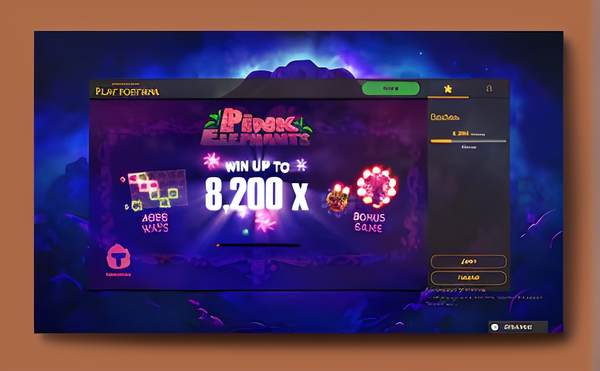
Inside any modern cabinet, the reels you see are mostly a theatrical overlay. The real work happens in a random number generator that ticks through millions of possibilities every second, locking in an outcome the moment you press spin. When the screen shows a tumbling cascade or a second pass over the same payline, that’s the software giving the base game a fresh nudge rather than starting from scratch. The re spin slot machine mechanics sit in that narrow gap between the first result and the next, deciding how many symbols drop, whether wilds breathe, and how long the feature can stretch before it folds.
A mate of mine down at the local bowling club once described a pokie session as “like tossing a snag on the barbie and watching it char just right before you flip it”. That’s the sort of patience and timing built into these systems. The machine doesn’t cheat; it simply applies a set of rules to the first outcome, then runs a second pass under specific conditions. If three scatter symbols hit, the code triggers a round where the reels can cycle again, sometimes with extra wilds or expanding symbols, and the whole thing feels like a second wind at the fifteen-hundred mark.
How The Second Wind Actually Works
The simplest version of a re-trigger is straightforward: a feature ends, the base grid resets, and a handful of symbols get another shuffle without resetting the whole round. In practice, the re spin slot machine mechanics vary by title, but the idea stays the same. Some games let the base reels tumble once or twice after a big win, while others hold a bonus grid open for multiple cascades until the symbol pool runs dry. The trick is that each pass is still governed by the same underlying probability, just dressed up as a fresh moment of tension. buffalo pokie machine
You’ll spot the difference when you watch how a feature handles its ending. A clunky design just cuts to black and asks you to spin again; a sharper build lets the last cluster dissolve and spawns a new set of symbols in the same breath. That continuity is what keeps the session feeling alive instead of chopped into little disconnected bits. It’s the same reason a good footy match has momentum rather than a stack of unrelated plays, and it’s why the best cabinets feel like they’re carrying you forward rather than making you start every round from zero.
Volatility, Hit Frequency, And The Aussie Pace
Volatility is the word the industry uses to describe how bumpy a ride feels, but out here we’d call it the temperament of the machine. A high-volatility pokie holds back its payouts and lets the tension build, while a lower-volatility title hands out smaller wins more often to keep the balance ticking. The re spin slot machine mechanics interact with that temperament by stretching or compressing the feature windows, which changes how often a session feels like a proper crack versus a slow burn.
That’s why a game that suits a quick lunch break in the CBD might not suit a long evening session after a trip to the coast. Australian punters tend to like a steady rhythm, something that feels fair and keeps the pennies moving without turning the balance into a rollercoaster. When you line up the hit frequency with the way a feature re-triggers, you get a machine that matches the pace of the room, whether it’s a quiet corner of a regional club or the buzz of a city casino floor.
Bonus Rounds That Refuse To Fold
Bonus rounds are where the second-chance design really earns its keep. A scatter hit might open a pick-em screen, a free spins block, or a multiplier ladder, and the best builds let that round breathe through re-spinning or cascading symbols. The re spin slot machine mechanics in these sections often add wilds, hold certain positions, or drop extra scatters so the feature doesn’t flatline after one decent win. It’s a bit like a local cricket side that keeps finding a second batting option when the top order collapses.
A mate at the servo once told me he’d rather have a coffee machine that keeps steaming at the right temperature than one that fires a perfect cup once and then goes cold. That’s the same logic applied here: a feature that can extend itself feels more rewarding because it gives the session a chance to develop, not just spike and vanish. When the code allows a bonus to re-trigger or cascade into another pass, the whole round feels less like a lottery ticket and more like a story with a few chapters. Themandarin
Why Some Titles Feel Snugger Than Others
Not every cabinet handles the second pass the same way, and that’s where the difference between a good session and a frustrating one shows up. Some titles hard-lock the feature after a set number of spins, while others let the grid keep tumbling until the symbol supply runs out. The re spin slot machine mechanics in the smoother titles tend to balance the wild count, the multiplier caps, and the end conditions so the round feels complete rather than abrupt. A clumsy build can make a feature feel like it’s being yanked away mid-sentence.
You can usually tell by how the last few spins behave. If the symbols keep rearranging and the tension stays up without feeling rigged, the design is doing its job. If the screen cuts off too soon or the same pattern repeats until it gets stale, the tuning is off. That’s the sort of detail that separates a cabinet people ask about at the bar from one that gets left alone after a couple of spins.
Reading The Paytable Without The Headache
The paytable is where the rules hide in plain sight, and it’s worth a proper look before you commit to a session. You’ll usually spot the trigger conditions, the number of free spins or bonus picks, and any special behaviour for the re-spinning phase, such as expanding symbols or extra wild drops. The re spin slot machine mechanics are often summarised there in plain language, though some developers dress it up with flashy icons and leave the actual behaviour buried in the help screen.
A good habit is to check how the feature ends and what happens if a re-trigger lands near the tail. Some tables note that a second scatter during the bonus can add spins, while others cap the total and move on. Knowing that stuff before you press the button saves you from expecting a second wind that the game never promised. It’s a bit like checking the tide chart before you head out for a fish, rather than just rocking up and hoping the water’s right. Manofmany
Where The Local Scene Fits In
Australia’s pokie landscape has its own shape, with state-based rules, club floors, and casino floors all running their own mix of cabinets. The re spin slot machine mechanics you encounter in a Perth hotel might differ from a Sydney club or a Gold Coast resort, simply because the machines on offer and the way features are tuned vary across venues. Local punters tend to gravitate toward titles that feel fair, pay often enough to keep the session moving, and don’t leave the balance hanging after a long dry patch.
A mate from the western suburbs once said the best session is the one where you can grab a pie, watch a couple of reels, and not feel like you’ve been robbed by the time you head out the door. That’s the practical test many Australians apply, and it’s why venues and operators alike keep an eye on how features behave in the wild. When a title’s second-chance design lines up with the local pace, it tends to stick around on the floor longer and build a proper following.
Picking Machines That Match Your Style
- Look for titles that clearly describe how a feature re-triggers and whether the bonus can extend through cascading symbols or extra scatters.
- Check the volatility and hit frequency in the help screen so the session’s rhythm matches the time you’ve got and the bankroll you’re comfortable with.
- Favor cabinets where the paytable explains the end conditions for a bonus round, especially whether a second trigger can add spins or if the round caps out.
- Try a short warm-up spin before settling in, just to see how the base game feels and whether the second-pass behaviour reads as smooth or choppy.
- Keep an eye on the balance and step back if the feature windows feel too abrupt or too repetitive, because a well-tuned machine should hold your interest without dragging you around.
If you want to see how a solid feature round plays out in practice, pull up a session on the buffalo pokie machine and watch how the second pass behaves when the symbols keep tumbling. For a broader take on gaming culture and the sort of titles that get talked about around the water cooler, the crew over at man of many have a fair bit to say about what’s catching eyes. And if you’re after a local angle on lifestyle and entertainment that often brushes up against the gaming scene, themandarin.com.au tends to cover the city beats with a proper Sydney lens.
The Bottom Line On Second-Chance Design
The real appeal of a well-built cabinet isn’t just the flash on the screen; it’s the way the re spin slot machine mechanics keep the action moving without making the session feel like a string of unrelated moments. A good feature breathes, a good paytable tells the truth, and a good rhythm matches the way Australians actually like to play, which is usually with a bit of patience and a sense of humour. When the code and the design line up, the whole thing feels less like a grind and more like a proper crack at the reels.
That’s the sort of experience worth chasing, whether you’re at a club in Newcastle, a resort on the coast, or logging in from the couch after a long day. The machines that stick in memory are the ones that handle their second wind with a bit of class, letting the tension build, the symbols shuffle, and the round finish in a way that feels earned rather than forced. That’s the quiet magic under the glass, and it’s what keeps the pokies room humming long after the first spin has faded.